Top Benefits of Louver Shading for Modern Architecture and Energy Efficiency?
Louver shading is transforming modern architecture. It provides aesthetic appeal and enhances energy efficiency in buildings. As architects explore innovative designs, louver shading becomes essential.
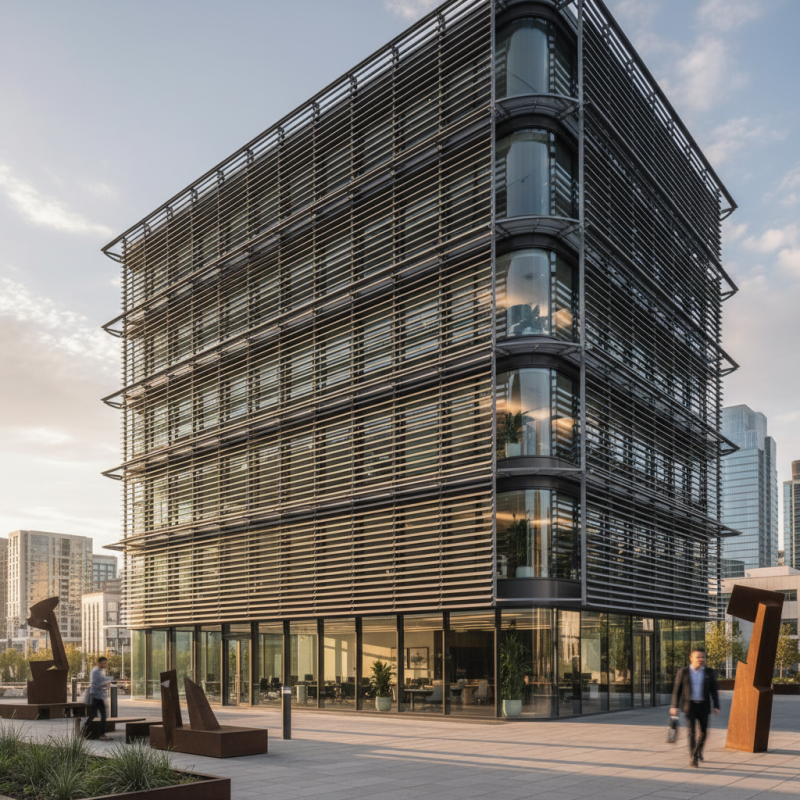
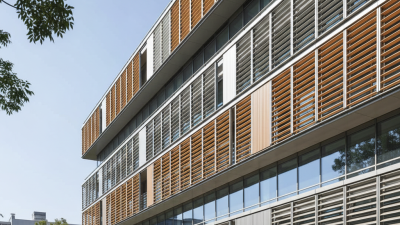
This shading technique allows for controlled natural light. It minimizes heat during hot months. In winter, it helps to retain warmth. Imagine a sleek office building using louver shading. It looks elegant, yet functional. The interplay of light and shadow creates a dynamic space. People feel comfortable without harsh sunlight.
However, louver shading is not without challenges. Maintenance can be demanding, especially in areas with high winds. Designers must consider materials that withstand the elements. Regular cleaning is necessary to keep the aesthetics. It requires planning and a bit of reflection on practical use.
Benefits of Louver Shading in Modern Architectural Design
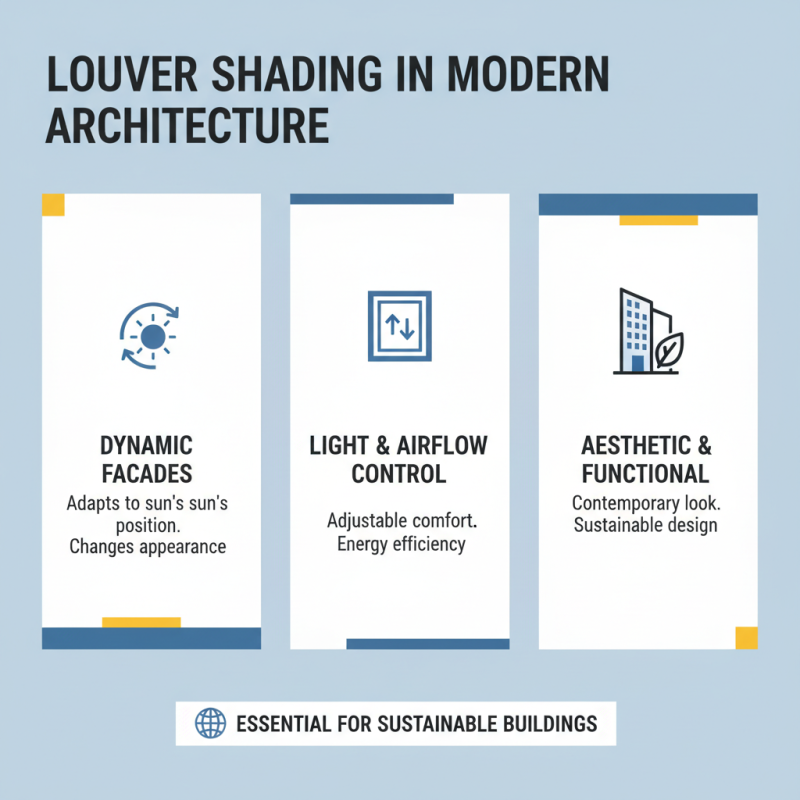
Louver shading is becoming essential in modern architectural design. These systems offer flexibility in controlling light and airflow. They create dynamic facades that change with the sun's position. The aesthetic appeal is undeniable. Buildings can maintain a modern look while being functional.
This shading technique helps reduce energy consumption. By blocking direct sunlight, people can lower indoor temperatures. Air conditioning systems don't need to work as hard. However, there can be issues with over-reliance on louver systems. Sometimes, they might not provide enough shade during peak hours. Designers must consult environmental data to optimize placement.
Incorporating louvers requires thoughtful planning. The angle and spacing greatly impact their effectiveness. It’s not just about style; practicality is crucial. Regular maintenance is needed to ensure they function correctly. Overall, louver shading is a valuable addition to modern architecture. But it demands careful consideration to truly enhance energy efficiency.
The Role of Louver Shading in Enhancing Energy Efficiency
Louver shading is becoming increasingly important in modern architecture. Its primary role is to enhance energy efficiency, which is crucial for sustainable design. Studies show that buildings with louver systems can reduce solar heat gain by up to 40%. This significant reduction can lead to lower energy costs and improved indoor comfort.
Moreover, louver systems allow for better control of natural light. They can filter sunlight without blocking outside views. This balance can enhance the aesthetic appeal of a building while reducing the need for artificial lighting. A report from the American Institute of Architects notes that strategic louver placement can increase daylight penetration by 25%. However, achieving optimal performance requires careful design and consideration of local climate conditions.
There are challenges too. Improper installation can lead to inadequate performance. If the angles are not adjusted correctly, solar heat can increase instead of decrease. Also, maintenance can be overlooked, causing dirt and debris to obstruct the louver panels. Such oversight compromises both energy efficiency and aesthetics. While louver shading offers clear benefits, it is crucial to consider these potential pitfalls in the design and implementation stages.
Top Benefits of Louver Shading for Modern Architecture and Energy Efficiency
| Benefit |
Description |
Energy Efficiency Impact |
| Natural Ventilation |
Louver shading allows for optimal airflow, reducing the need for mechanical cooling. |
Reduces energy consumption by up to 30%. |
| Solar Control |
Blocks direct sunlight while allowing diffused light to enter, minimizing glare. |
Can lower cooling loads significantly, enhancing HVAC efficiency. |
| Aesthetic Appeal |
Enhances the modern architectural design, adding visual interest to buildings. |
Indirectly influences energy efficiency through improved occupant satisfaction. |
| Privacy |
Provides privacy for occupants without sacrificing natural light. |
Contributes to overall comfort, which can lead to reduced energy usage. |
| Reduced Heat Gain |
Minimizes the amount of heat entering the building, keeping it cooler. |
Can lead to energy savings of up to 25% in cooling costs. |
Impact of Louver Shading on Natural Lighting and Ventilation
Louver shading can transform the way natural light and ventilation interact in modern architecture. This innovative design element allows light to penetrate while minimizing glare. By angling the louvers, spaces can receive optimal daylight without overwhelming brightness. This balance fosters an inviting atmosphere indoors.
One of the key benefits is improved airflow. Louvers can be adjusted to maximize cross-ventilation. This process enables fresh air to circulate throughout a space. It can reduce the need for mechanical cooling systems. However, over-reliance on natural ventilation can be challenging during extreme weather.
Tips: Consider the orientation of your building. South-facing louvers might need wider slats to block midday sun. In contrast, east and west sides can benefit from narrower louvers. Pay attention to local climate patterns. Understanding seasonal changes can optimize natural light throughout the year. Remember, each adjustment affects both light and air quality.
Architects should not overlook the aesthetic aspect. While functionality is important, the visual impact of louvers can enhance building design. Experimenting with different angles might lead to unexpected results. Finding the right balance can take time and reflection. Embrace the process and learn from each iteration.
Aesthetic Advantages of Louver Shading in Contemporary Buildings
Louver shading is becoming popular in modern architecture. These features enhance the aesthetic appeal of buildings. They create a sophisticated and contemporary look. The clean lines and elegant designs complement various architectural styles. Lightness and openness are prevalent themes in modern design. Louvers allow for natural light while maintaining privacy. They seamlessly blend function with visual appeal.
Consider incorporating various materials for different effects. Wood lends warmth, while metal brings an industrial edge. Adjusting the angle of louvers creates dynamic shadow patterns. This adds depth and interest to the facade. The visual impact can change throughout the day with shifting sunlight. It encourages interaction between interior and exterior spaces. A carefully planned louver design can elevate a simple structure into a breathtaking masterpiece.
However, the installation of louver systems requires careful thought. Not every design suits every environment. Excessive shading can make interiors feel dark and closed off. Balancing aesthetics with functionality is key. Always evaluate the building’s orientation and surrounding landscape. Think about how these factors influence light and shadow. This approach leads to more thoughtful, engaging structures. Keep experimenting and reflecting on your design choices.
Sustainability and Environmental Benefits of Louver Shading Systems
Louver shading systems offer notable sustainability benefits in modern architecture. These systems enhance
energy efficiency by allowing natural light to filter into spaces. As a result, buildings require less artificial lighting.
This effect reduces energy consumption, which can lead to lower utility bills.
Additionally, louver shading helps to control heat gain. By blocking intense sunlight, these systems maintain comfortable indoor temperatures.
This is essential in hot climates, where air conditioning is often overused. However, one must consider the balance between natural light and glare; poorly designed systems can create discomfort.
The challenge lies in customizing the louver layout to maximize benefits while minimizing drawbacks.
Beyond energy savings, there are aesthetic benefits too. Louvers create dynamic facades that blend functionality with style.
They invite creativity in design, encouraging architects to experiment. Still, there’s a risk of overcomplication in designs, which can lead to maintenance challenges.
Reflecting on these elements is crucial for sustainable success.