How to Choose the Best Alumawood Pergola for Your Outdoor Space
When it comes to enhancing your outdoor space, an Alumawood Pergola stands out as an excellent choice that combines functionality and aesthetics. This versatile structure not only provides shade and comfort but also adds a touch of elegance to your garden or patio area. Choosing the right Alumawood Pergola requires careful consideration of various factors, including size, design, and features that align with your personal style and outdoor needs.
In this guide, we'll delve into the key aspects to consider when selecting the ideal Alumawood Pergola for your property. From the benefits of Alumawood as a material to the different styles available, understanding your options will empower you to create a serene outdoor retreat that complements the natural beauty of your surroundings. Whether you're looking to host gatherings, enjoy a quiet afternoon, or simply enhance your curb appeal, the right Alumawood Pergola can transform your outdoor experience into something truly remarkable.
Factors to Consider When Choosing an Alumawood Pergola
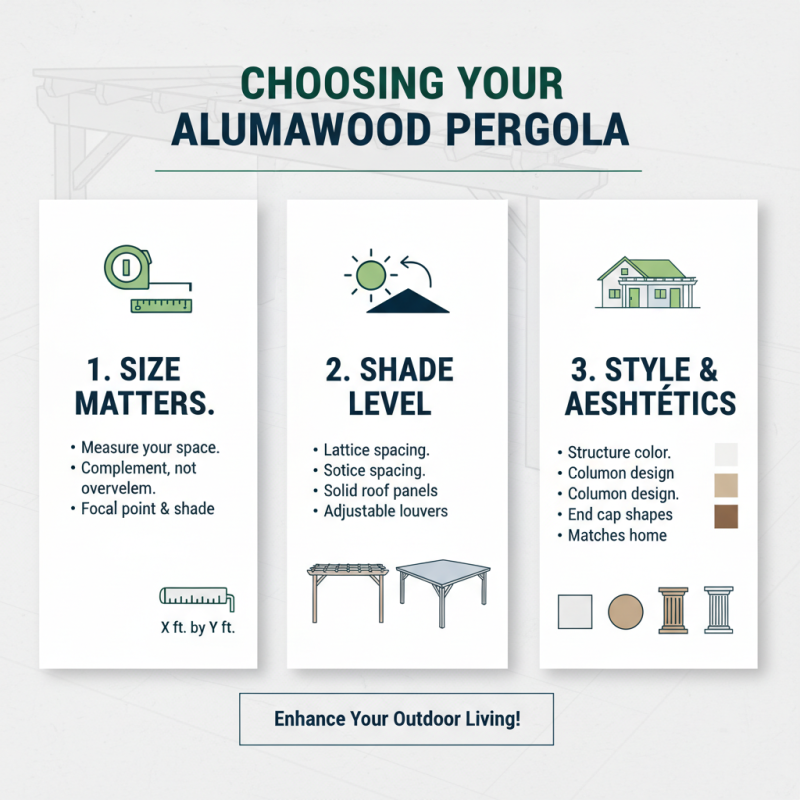
When choosing the best Alumawood pergola for your outdoor space, several factors come into play. Firstly, consider the size of the area where you plan to install the pergola. Measure your space carefully to ensure that the structure complements your yard without overwhelming it. A well-sized pergola can serve as a beautiful focal point, providing shade while enhancing the overall aesthetics of your outdoor environment.
**Tips:** When measuring, think about how much coverage you want. A larger pergola can create a more extensive shaded area, perfect for outdoor dining or lounging, while a smaller one may be ideal for intimate spaces.
Next, pay attention to the design and style of the pergola. Alumawood pergolas come in various styles, from traditional to modern, offering versatility to match your home’s architecture. The color and finish also play a crucial role; choosing a color that coordinates with your existing landscape and exterior features will help create a cohesive look.
**Tips:** If you have a specific theme in mind for your outdoor area, such as rustic or contemporary, select a pergola that aligns with that aesthetic. Also, consider additional features like decorative lattice or built-in lighting for added charm and functionality.
Comparing Alumawood vs. Traditional Wood Pergolas: Key Differences
When choosing between Alumawood and traditional wood pergolas for your outdoor space, it is crucial to understand the key differences that can impact both aesthetics and functionality. According to a report by the American Society of Landscape Architects, maintenance costs for wood structures can be significantly higher than those for aluminum alternatives due to the need for regular sealing, staining, and potential repairs from rot and pests. In contrast, Alumawood pergolas offer a low-maintenance option that retains the appearance of traditional wood while providing enhanced durability.
Furthermore, the longevity of materials plays a vital role in the decision-making process. A study by the Home Improvement Research Institute indicates that Alumawood pergolas can last up to 25 years or more without extensive maintenance, whereas traditional wood typically requires replacement or significant upkeep within 10 to 15 years, depending on environmental conditions. This durability not only extends the life of your outdoor structure but also contributes to long-term cost savings, making Alumawood an increasingly popular choice for homeowners looking to invest in their outdoor living areas. Each material has its unique appeal, but understanding these differences can help in selecting the best pergola that meets your needs and complements your outdoor space.
How to Choose the Best Alumawood Pergola for Your Outdoor Space - Comparing Alumawood vs. Traditional Wood Pergolas: Key Differences
| Feature |
Alumawood Pergola |
Traditional Wood Pergola |
| Durability |
Highly resistant to weather, insects and rot |
Prone to rot and insect damage, requires regular maintenance |
| Maintenance |
Minimal maintenance required; just occasional cleaning |
Requires staining, sealing, and treatment for longevity |
| Cost |
Often more cost-effective in the long run due to low maintenance |
Initial lower cost but higher long-term maintenance expenses |
| Aesthetic Options |
Available in various styles and colors to mimic wood |
Natural beauty with a wide range of wood types and finishes |
| Installation |
Can be lightweight and easier to install |
Generally heavier and requires more labor to install |
Understanding the Cost of Alumawood Pergolas per Square Foot
When considering the installation of an Alumawood pergola in your outdoor space, understanding the cost per square foot is crucial for budgeting your project. Alumawood pergolas are valued for their durability and low maintenance, making them an appealing choice for homeowners. The cost can vary significantly based on a variety of factors, including the size of the pergola, the design complexity, and the specific features you choose to incorporate, such as built-in lighting or decorative elements. On average, pricing can range from $20 to $45 per square foot, with larger or more intricate designs potentially increasing this cost further.
In addition to the initial material costs, it's essential to consider installation expenses, which can add an extra $10 to $30 per square foot. Hiring a professional to ensure proper assembly can also provide peace of mind regarding the pergola's longevity and structural integrity. Moreover, local labor rates and the specific geographical area can influence the final price. By carefully assessing all these elements, you can make a more informed decision on the best Alumawood pergola that fits your budget and enhances your outdoor living experience.
Design Styles: Customizing Your Alumawood Pergola for Aesthetic Appeal
When it comes to enhancing your outdoor space, customization is key, especially when selecting an Alumawood pergola. Design styles can significantly influence both the aesthetic appeal and functionality of your outdoor area. According to the American Institute of Architects, outdoor living spaces have seen a 30% increase in popularity over the last decade, with structures like pergolas becoming essential features. Homeowners are now leaning towards contemporary designs that blend seamlessly with their landscaping and architecture, creating an inviting atmosphere for relaxation and entertainment.
One effective approach to customizing your Alumawood pergola is incorporating various architectural elements such as curved beams or decorative end cuts. A survey by the National Association of Home Builders indicates that 62% of homeowners are looking for unique, personalized touches in their outdoor spaces, therefore opting for styles that reflect their individual tastes is paramount. Additionally, selecting complementary colors and textures can further enhance the visual appeal, allowing the pergola to serve as a focal point in the yard. The versatility of Alumawood material allows for numerous design inspirations, from rustic farmhouse aesthetics to sleek modern lines, ensuring that every outdoor space can achieve its desired look.
Maintenance Tips for Long-lasting Alumawood Pergola Performance
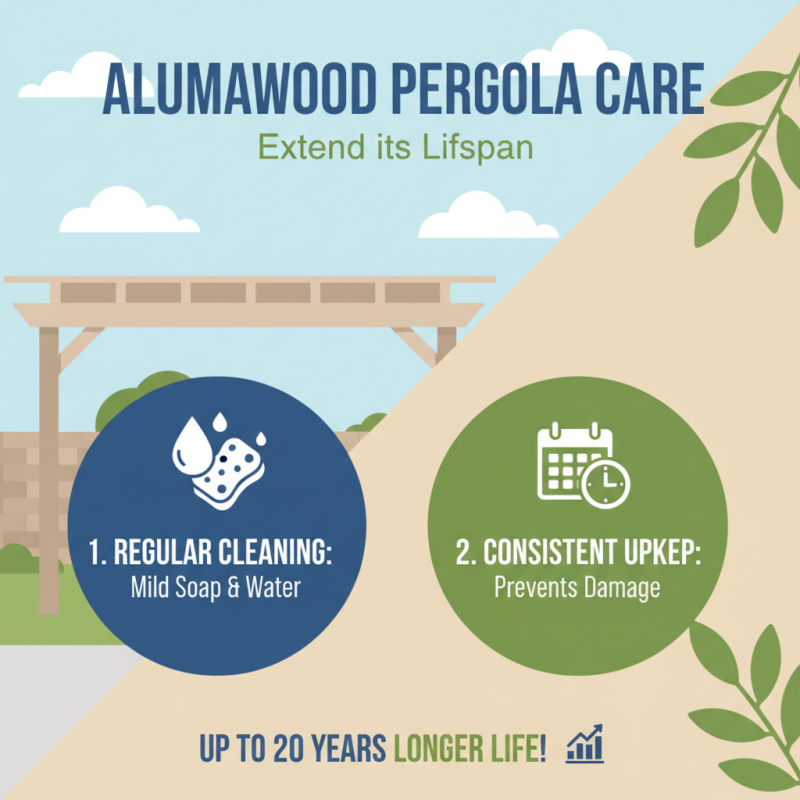
To ensure the longevity and optimal performance of your Alumawood pergola, regular maintenance is essential. Alumawood, known for its durability and resistance to harsh weather conditions, still benefits from proper care. According to the American Society of Landscape Architects, structures like pergolas can extend their lifespan significantly—by up to 20 years—with consistent upkeep. This typically includes a regular cleaning schedule, requiring only mild soap and water to remove dirt and debris that can cause scratching or surface degradation over time.
In addition to cleaning, inspecting your pergola for any signs of wear or damage is crucial. Seasonal inspections allow homeowners to address potential issues, such as loose bolts or cracks in the structure, before they escalate. A study from the National Association of Home Builders indicates that proactive maintenance can save homeowners up to 30% on repair costs over the life of their structure. Furthermore, applying a protective sealant every few years can enhance the pergola's resistance to UV rays and moisture, contributing to its overall durability. By committing to these maintenance tips, you can ensure that your Alumawood pergola remains a stunning centerpiece in your outdoor space for years to come.