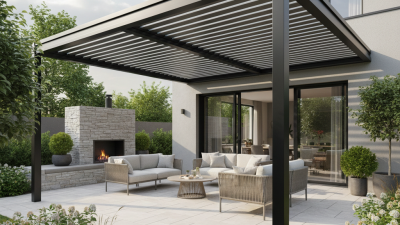
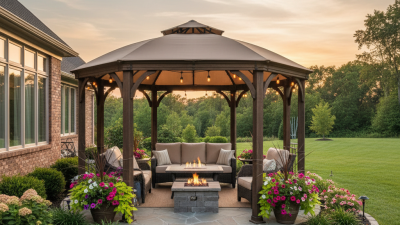
A Retractable Louver Pergola can transform an outdoor area into a flexible, comfortable living space. Yet global buyers face different climates, building practices, and installation conditions. A model suited to Dubai may not perform well in coastal Canada. Rain, wind, snow, and intense sunlight all influence the buying decision. The right choice begins with local weather, available space, and intended use.
In practice, the first check should be the pergola’s structure and drainage design. Measure the patio carefully, including wall clearance and ground levels. Ask the supplier for aluminum grades, coating details, load ratings, and motor specifications. A quiet motor matters beside a bedroom or dining area. Examine hinges, seals, gutters, and louver movement during a product demonstration. Small details often reveal manufacturing quality. However, brochures can look better than real products.
Experienced suppliers should provide installation drawings, maintenance guidance, warranty terms, and replacement-part information. Request project photos from similar climates, not only polished showroom images. Confirm whether the control system supports local voltage and practical remote operation. Check independent testing where available, while treating unsupported claims carefully. Shipping protection also matters; bent louvers may arrive before the product reaches the site. No selection is perfect. Even a strong pergola may need cleaning, adjustment, or seasonal inspection. A reliable decision balances appearance, engineering, service, and long-term operating costs. This guide helps global buyers compare options with clearer questions and fewer costly assumptions.
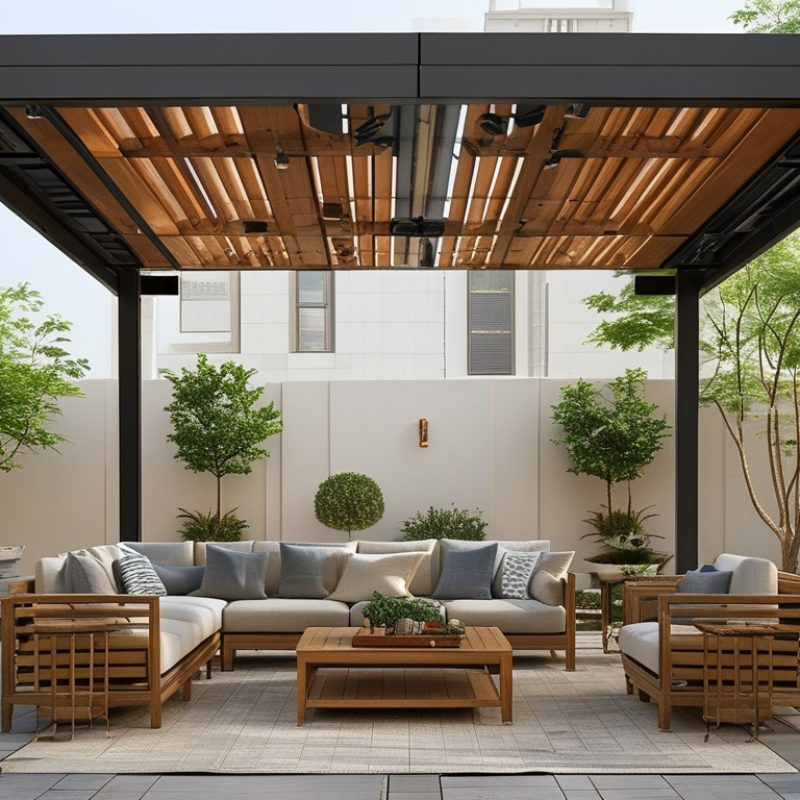
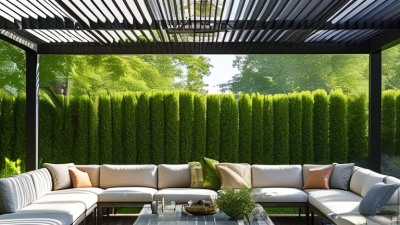
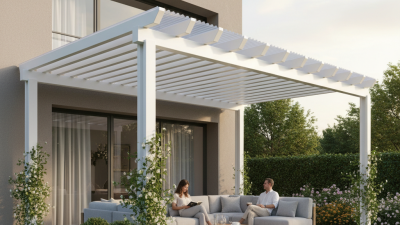
A retractable louver pergola is an outdoor roof with adjustable horizontal slats. These louvers rotate to control sunlight, airflow, and rain. When open, they create a brighter and more ventilated space. When closed, they form a more protective overhead cover. The word “retractable” can confuse buyers. In many designs, the louvers rotate instead of sliding away. That detail matters.
For global buyers, frame material and structural testing deserve close attention. Powder-coated aluminum usually offers a practical balance of strength and maintenance. Ask for verified wind, snow, and rain performance data. A reliable supplier should provide technical drawings and installation requirements.
Check the drainage channels, seals, motors, and connection points. Coastal locations may require better corrosion resistance. Cold regions need protection against ice buildup. These details matter more than showroom appearance.
Installation experience also affects daily performance. The base must be level and strong enough for the structure. Skilled installers should check drainage direction, electrical safety, and local planning rules. Request clear maintenance instructions and warranty terms before ordering. Do not assume one design suits every climate.
A pergola can reduce heat and improve outdoor comfort, but it will not replace a fully enclosed room. Rain may still enter during strong wind. That limitation is easy to overlook. The best choice may still involve compromises.
Retractable louver systems use motor-driven blades that rotate around horizontal pivot points. The blades open for daylight and airflow, then close during rain or strong sun. A control unit usually connects the motor with rain, temperature, and wind sensors. When rain begins, the blades close and guide water toward internal gutters and downspouts. The mechanism is simple, but its performance depends on accurate alignment and regular drainage cleaning.
A practical inspection should examine blade overlap, motor torque, gutter capacity, and emergency manual operation. Buyers should also check wind-load calculations for the installation site. Local voltage, corrosion exposure, snow weight, and available replacement parts matter equally. Coastal projects need protective finishes and stainless-steel fasteners. These details are often overlooked.
The International Energy Agency reported that buildings accounted for about 30% of global final energy consumption in 2022. Adjustable shading can reduce unwanted solar heat, although results depend on orientation, glazing, and climate. The U.S. Department of Energy also identifies exterior shading as an effective strategy for limiting summer heat gain. Still, a louver pergola is not an automatic energy solution. Poor sensor settings can leave blades closed when ventilation is needed. Oversized spans can create vibration and premature wear. For global buyers, the safest choice combines tested structural data, clear maintenance procedures, and region-specific engineering support. Some decisions remain imperfect. That is why a site assessment should come before appearance or price.
How to Choose a Retractable Louver Pergola for Global Buyers?
Climate should guide every pergola decision, not just the visual design. The WMO State of the Global Climate 2023 reported global temperatures about 1.45°C above pre-industrial levels. Hotter conditions increase surface heat and ultraviolet exposure. For tropical or desert regions, powder-coated aluminum offers lower maintenance than untreated timber. Light-colored finishes also reduce heat absorption. Small details matter.
Rain and wind require different engineering choices. The IPCC Sixth Assessment Report indicates that extreme daily precipitation can increase by about 7% for each 1°C of warming. Choose sloped louvers, concealed drainage, and corrosion-resistant fasteners for wet climates. Coastal buyers should request materials tested under ISO 9223 corrosion categories. Stainless steel hardware is useful, but it is not automatically immune to salt damage. Rinsing still matters.
Wind performance must follow local building requirements. ASCE 7-22 calculates design wind loads using location, exposure, building height, and risk category. A retractable roof should include tested locking systems and certified anchoring details. In cold regions, drainage and snow loads deserve equal attention. Retracting the louvers during storms may reduce risk, but it cannot replace structural design. Field inspections often reveal a practical weakness: installers focus on the frame, while foundations receive less attention. That mistake is expensive to correct. A well-finished pergola can still perform poorly on weak ground.
How to Choose a Retractable Louver Pergola for Global Buyers?
Size should follow the space, climate, and intended use, not only a product photograph. Measure the patio length, width, and clear height twice. Measure twice. Leave service access around motors, drainage channels, and wall connections. A 3.6-by-4.8-meter pergola may cover a dining area, but furniture movement still needs clearance. For larger terraces, confirm whether the structure requires intermediate posts. They can interrupt views and walking paths.
Features should solve real weather problems. Adjustable louvers help control sunlight, while integrated gutters direct rain away from seating. Check wind ratings, snow-load data, corrosion protection, and motor ingress protection before comparing accessories. The International Energy Agency reported that global cooling demand is rising with higher temperatures, making solar control increasingly relevant. Grand View Research valued the global outdoor furniture market at about USD 49 billion in 2023, showing strong demand for usable outdoor spaces. However, market growth does not guarantee suitable engineering. That is easy to forget.
Installation requirements vary by region and substrate. Concrete, timber decking, and masonry need different anchors and load checks. Ask for foundation drawings, electrical requirements, drainage details, and maintenance instructions. A qualified local installer should verify wind exposure and permits. Do not assume a standard kit fits every country. In my experience, drainage is often underestimated. One poorly aligned channel can stain a wall after heavy rain. I would also request replacement-part availability and written warranty conditions. Some buyers focus on louvers first, then discover installation limits later. That mistake is avoidable.
How to Evaluate Size, Features, and Installation Requirements
| Evaluation Dimension | Typical Options | Recommended Selection Standard | Key Technical Considerations | Installation Requirements | Best Suited For |
|---|---|---|---|---|---|
| Pergola Size | Small: 3 m × 3 m Medium: 4 m × 4 m Large: 6 m × 4 m or larger |
Choose a size that provides at least 60–90 cm of clearance around furniture and walking areas. | Confirm the usable covered area, post positions, roof projection, and whether the structure is freestanding or wall-mounted. | Requires an accurately measured, level surface. Larger structures may need additional posts, beams, or engineering review. | Patios, terraces, gardens, restaurants, hotels, and outdoor commercial areas. |
| Louver Blade Opening | Partial opening Up to approximately 90° rotation Fully closed position |
Select adjustable blades that allow controlled shade, ventilation, and rain protection. | Greater opening angles provide more sunlight and airflow. Closed blades should overlap sufficiently to reduce water penetration. | Allow space for the motor, blade rotation, drainage channels, and maintenance access. | Locations with changing sunlight, humidity, or seasonal weather conditions. |
| Aluminum Structure | Powder-coated aluminum posts, beams, and louvers | Look for corrosion-resistant aluminum suitable for the local climate and load conditions. | Review alloy information, wall thickness, beam span, connection design, coating quality, and fastener material. | Posts must be securely anchored to concrete, steel, or another structurally suitable substrate. | Coastal, humid, residential, and commercial environments when the finish is properly specified. |
| Wind Resistance | Low, moderate, or high wind-load configurations | Use a configuration engineered for the project’s local design wind speed rather than relying on a general rating. | Wind performance depends on span, anchoring, roof position, blade design, structural connections, and local building codes. | Professional anchoring and, in some regions, structural calculations or permit documents may be required. | Open sites, rooftops, coastal areas, and regions exposed to strong seasonal winds. |
| Rainwater Drainage | Integrated gutters Hollow beams Downspouts or concealed outlets |
Choose a roof system that channels water from closed louvers into gutters and downspouts. | Check drainage capacity, outlet locations, slope, overflow control, and compatibility with existing stormwater systems. | Drainage outlets must be positioned before installation and connected away from doors, foundations, and walkways. | Rainy climates, outdoor dining areas, residential terraces, and year-round outdoor spaces. |
| Motor and Control | Manual control Remote control Wall switch Smart-home integration |
Select a weather-protected motor with controls compatible with the project’s voltage and automation requirements. | Verify operating voltage, protection rating, remote frequency, emergency override, noise level, and replacement-part availability. | Electrical work should comply with local regulations. Wiring must be protected from water and arranged for service access. | Residential projects, hospitality venues, offices, and buyers seeking convenient daily operation. |
| Weather Protection | Sun shading Light rain protection Enhanced weather enclosure |
Match the louver system to the expected exposure; no open-louver pergola should be treated as a fully enclosed roof. | Consider ultraviolet exposure, rainfall intensity, snow, ice, temperature range, humidity, and airborne salt. | Snow-prone or severe-weather locations may require reinforced designs, seasonal blade positioning, or additional precautions. | Buyers comparing solutions across tropical, temperate, desert, and coastal climates. |
| Snow Load | Not required Light snow design Engineered snow-load design |
Specify the local ground and roof snow loads before selecting the frame and louver system. | Snow accumulation, drifting, frozen water, blade angle, and drainage can significantly affect structural performance. | Engineering review and stronger foundations may be necessary in snow regions. Follow the manufacturer’s snow-removal guidance. | Cold climates and areas where seasonal snow or ice is expected. |
| Foundation and Anchoring | Concrete slab anchors Point footings Raised deck reinforcement |
Use anchor hardware and footing dimensions based on soil, wind, structure size, and substrate condition. | Check concrete strength, slab thickness, edge distance, anchor corrosion resistance, and underground utilities. | The surface must be level and structurally sound. Deck installations may need additional framing below the finished surface. | Ground-level patios, balconies, rooftops, decks, and landscaped areas. |
| Installation Method | Professional installation Qualified local contractor Factory-assisted assembly |
Use trained installers for motorized, large-span, wind-rated, or electrically connected systems. | Evaluate assembly sequence, component labeling, access equipment, lifting needs, tolerances, and commissioning procedures. | Plan for site access, working clearance, safe lifting, electrical connection, drainage testing, and final alignment. | Projects where safety, compliance, and long-term operating reliability are priorities. |
| Permits and Regulations | Permit-free minor structure Planning approval Building or electrical permit |
Confirm requirements with the local authority before ordering or preparing the site. | Rules may address setbacks, height, lot coverage, stormwater, wind loads, electrical systems, and neighborhood restrictions. | Keep structural drawings, product specifications, electrical information, and installation records available for review. | Global buyers working on permanent residential or commercial installations. |
| Lighting and Accessories | Integrated LED lighting Infrared heaters Zip screens Glass or privacy panels |
Add accessories only after confirming load capacity, wiring routes, drainage, and maintenance access. | Accessories can increase electrical demand, wind exposure, weight, and operating complexity. | Plan cable paths and mounting points during the initial design rather than modifying the structure later. | Entertainment areas, restaurants, hotels, and users seeking extended evening comfort. |
| Maintenance Access | Basic cleaning access Removable components Service panels and replacement parts |
Choose a design that allows periodic cleaning, drainage inspection, motor servicing, and component replacement. | Inspect louvers, gutters, fasteners, seals, wiring, coating condition, and drainage outlets at least seasonally. | Maintain safe access around the roof and motor. Avoid blocking service panels with permanent furniture or screens. | All installations, especially commercial sites and locations with heavy dust, leaves, or salt exposure. |
| Climate Compatibility | Dry and hot Humid and rainy Coastal and salty Cold and snowy |
Select finishes, seals, hardware, motors, and structural specifications for the local environmental exposure. | Coastal areas require enhanced corrosion protection; cold regions require attention to ice and snow; hot climates require UV-resistant finishes. | Follow local installation practices and provide suitable ventilation, drainage, and seasonal operating procedures. | International buyers comparing products for different geographic regions. |
| Total Project Cost | Structure only Structure plus installation Complete project with electrical and accessories |
Compare the full installed cost, not only the initial pergola price. | Include shipping, taxes, foundation work, permits, electrical work, lifting equipment, accessories, maintenance, and replacement parts. | Obtain a site-specific quotation with clear exclusions, delivery conditions, warranty terms, and installation responsibilities. | Buyers evaluating long-term value and international procurement risks. |

| Selection note: Before placing an order, confirm the project dimensions, local wind and snow requirements, foundation condition, electrical standards, drainage plan, permit obligations, delivery access, and installation responsibilities. | |||||
Choosing a retractable louver pergola for global use requires more than comparing attractive pictures. A serious review starts with supplier capability, project experience, and technical documentation. Ask each supplier for material specifications, production details, installation drawings, and recent project references. Check whether aluminum thickness, coating quality, and drainage design match your climate. Photos help, but documents matter more.
Compare total cost, not only the factory price. Include packaging, shipping, customs duties, installation, electrical work, and future maintenance. Confirm whether the quote includes motors, sensors, lighting, remote controls, and spare parts. A cheaper frame may use thinner profiles or weaker hardware. It may become expensive after one harsh season. Ask for a clear replacement-parts list and realistic delivery times. Use a written warranty with specific coverage periods. Some warranties exclude wind damage, water leakage, fading, or incorrect installation. Those exclusions deserve careful questions.
Global standards require careful checking. Depending on the destination, buyers may need structural, electrical, corrosion, fire, or wind-load documentation. Request test reports and conformity documents that apply to the actual model, not a similar product. For powered systems, verify voltage, frequency, control safety, and local installation requirements. Independent reports are useful, but their scope can be limited. No comparison is perfect. I would not treat a long warranty as proof of superior quality. A supplier that answers technical questions clearly is often more reliable than one offering the lowest quote. Before ordering, record every assumption in the contract.
Illustrative procurement weighting for comparing suppliers, costs, warranties, and global standards.
Use this framework to compare quotations on a consistent basis. Verify total cost of ownership, written warranty coverage, structural and electrical documentation, wind and water performance, and delivery capability. Relevant checks may include CE requirements where applicable, EN 1090 for structural steel or aluminium components when applicable, EN 13561 for external blinds and awnings where applicable, ASTM E330 for structural performance testing, and ISO 9001 quality-management certification.