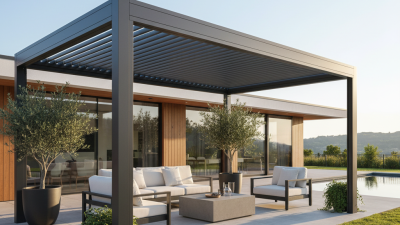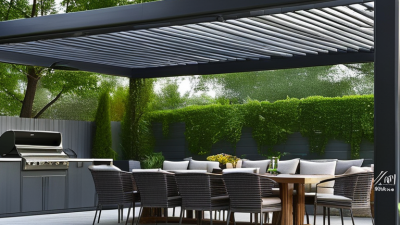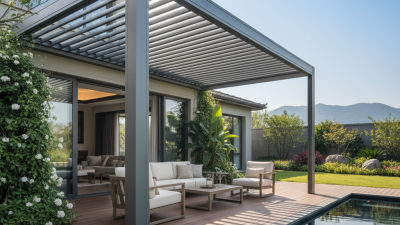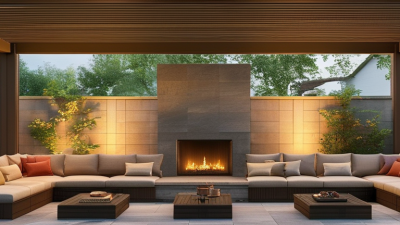
Choosing the best Modern Aluminium Pergola starts with more than attractive photographs. It requires evidence, practical experience, and careful attention to your property. The 2024 U.S. Houzz & Home Study shows that homeowners continue investing in outdoor improvements, reflecting the growing importance of usable exterior rooms. Freedonia’s Outdoor Living Products analysis also identifies shade structures as part of a broader shift toward year-round outdoor comfort. These trends matter, but they do not automatically identify the right pergola for your garden.
Start with the conditions beneath the roof. A coastal terrace may need stronger corrosion protection, while a snowy region demands verified structural calculations. Look for aluminium profiles with clear alloy and temper information, such as 6063-T5 or 6063-T6, where appropriate. Powder coatings should follow recognized performance standards, including AAMA specifications. Ask about drainage channels, concealed fasteners, motor protection, and tested wind or snow-load ratings. Small details become obvious during heavy rain.
The best choice is rarely the cheapest model.
A well-designed pergola should match your wall, paving, furniture, and daily habits. It should open smoothly, shed water away from doors, and create shade without making the room feel dark. The National Association of Home Builders’ outdoor-living research supports the value of functional exterior spaces, yet product claims still require scrutiny. Some suppliers provide impressive renderings but limited test documents. That is a weakness worth acknowledging. This guide compares materials, mechanisms, installation quality, climate suitability, maintenance demands, and long-term value, helping you choose with confidence rather than relying on showroom appearance alone.
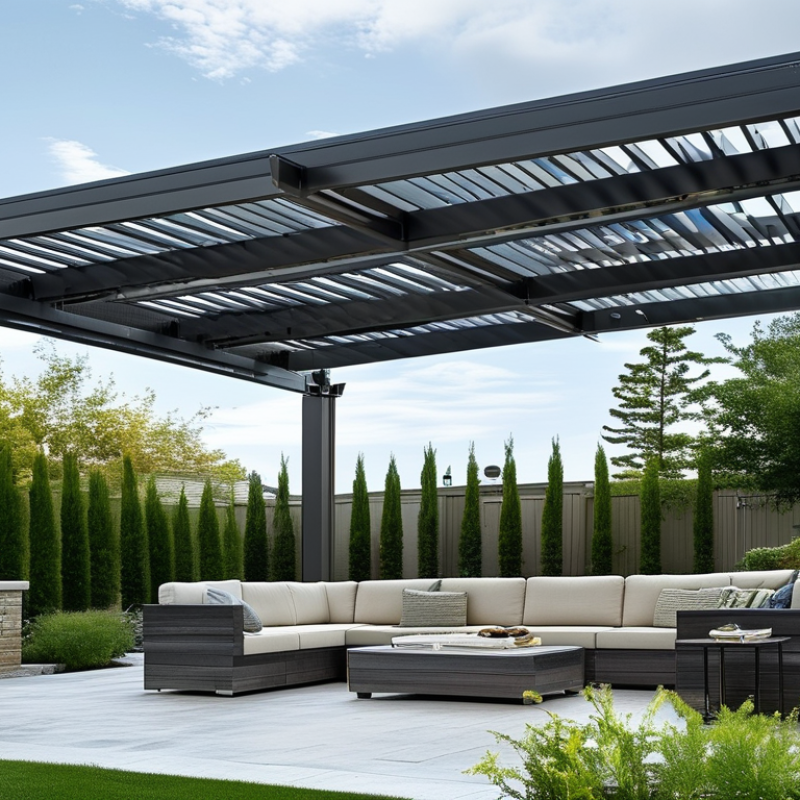
Modern aluminium pergolas combine clean lines with practical outdoor protection. Their designs range from fixed slatted roofs to adjustable louvres and retractable canopies. Adjustable louvres let you control sunlight, airflow, and light rain. Fixed roofs offer steadier shade, but they may reduce winter sunlight. The best choice depends on your climate, building position, and daily habits. A narrow pergola can suit a balcony, while a wide structure supports outdoor dining or lounge furniture. I would not choose a design by appearance alone. Drainage, frame strength, and anchoring matter just as much.
Aluminium resists rust and needs less maintenance than many traditional materials. However, its finish can still fade or scratch in harsh conditions. Check the coating quality, drainage channels, and connection details before ordering. For windy areas, professional measurements are important. Local building requirements may also affect size, placement, and anchoring. A common mistake is leaving too little space for doors, lighting, or furniture movement. That small oversight can make a beautiful pergola feel uncomfortable. Measure twice, and consider how shadows move across the space.
Tips: Match the roof style to your weather. Use adjustable louvres for flexible shade. Add concealed lighting for evening use. Select furniture before fixing the frame size. Ask for clear maintenance instructions and installation records. One detail is often missed: water should leave the structure quietly, not collect near entrances.

Modern aluminium pergolas are commonly selected according to the intended outdoor use. Larger footprints provide more flexibility for dining and outdoor kitchens, while compact designs work well for seating and relaxation areas.
The planning areas shown are practical residential design ranges: compact pergolas suit small seating zones, medium sizes support dining, and larger layouts allow separate cooking, dining, and lounge areas. Actual dimensions should be checked against local building regulations, site conditions, and structural requirements.
A pergola should fit the site, not merely fill an empty corner. Measure the patio, walking routes, doors, windows, and nearby trees. Leave enough clearance for doors to open comfortably. A laser measure improves accuracy. I still check measurements twice, because small errors become expensive during installation.
Study the ground before selecting the structure. Paving, soil, and concrete require different fixing methods. Check drainage after heavy rain. Water pooling around posts may weaken foundations over time. Local building requirements may also affect height, setbacks, and anchoring. A qualified installer should confirm these details before ordering materials.
Climate often determines the pergola’s practical performance. Strong wind requires secure posts, engineered connections, and suitable foundations. Snowy areas need a roof designed for local loads. Coastal air can accelerate corrosion, even on aluminium components. Choose protective finishes and inspect fasteners regularly. Track the sun during different seasons, not only on moving day. A shaded lunch area in July may become too dark in winter. Adjustable roof panels can help, but they add weight, maintenance, and cost. I once underestimated evening glare beside a white wall. The design looked excellent, yet the seating area felt uncomfortable. Revise the plan when real site observations challenge the first idea.
Aluminium quality affects strength, weight, finish, and long-term maintenance. Extruded aluminium profiles should feel rigid, not thin or easily distorted. Powder-coated surfaces resist fading and light corrosion better than untreated metal. However, coating quality depends on preparation, thickness, and exposure conditions.
Coastal air is unforgiving.
Measure twice. A pergola needs balanced proportions. Oversized beams may look heavy, while narrow posts can flex under wind.
Check post dimensions, beam connections, and the anchoring method before choosing a design. Base plates must suit the existing paving or concrete. Chemical anchors may be necessary for some installations. Do not guess.
Roof systems change comfort more than appearance.
Adjustable louvres provide sunlight control and can direct rain toward integrated gutters. Retractable fabric roofs offer softer shade but usually need greater weather protection. Fixed polycarbonate or aluminium panels provide dependable coverage, although they may reduce daylight.
Water finds gaps. Inspect drainage channels, gutter outlets, seals, and the roof’s slope. A small design flaw can create persistent dripping near doors.
Structural details deserve equal attention. Look for concealed fasteners, reinforced corners, and corrosion-resistant hardware. Ask whether the frame has been assessed for local wind and snow conditions.
Thermal movement also matters, especially across long beams exposed to strong sunlight. A perfect-looking sample can hide weak joints.
Careful inspection is worth more than attractive renderings.
Durability starts with the alloy, coating, drainage, and connection details. The International Aluminium Institute reports that about 75% of all aluminium ever produced remains in use. That supports aluminium’s long service potential, but it does not guarantee quality. Check alloy specifications, coating standards, fastener grades, and published wind ratings. AAMA 2604 or 2605 coating requirements offer stronger performance expectations than basic exterior finishes. Coastal homes need extra attention. Salt can attack poorly protected joints and cut edges.
Maintenance should be simple, not ignored. Wash the frame with clean water and mild soap, especially beneath roof channels. Inspect screws, seals, hinges, and drainage points twice yearly. Safety depends on correct anchoring and local wind calculations. ASCE 7-22 provides recognised procedures for determining wind loads, yet many installations still rely on guesswork. That assumption is risky. A level base, accurate measurements, and safe lifting equipment matter during installation. One uneven post can create roof movement, water retention, or premature stress.
Tips: Request load calculations, coating documentation, and installation drawings. Confirm underground services before drilling. Leave clearance for doors, gutters, and emergency access. Do not rely only on appearance. A beautiful pergola can still be poorly anchored. If the site is exposed, sloped, or coastal, ask a qualified installer to review it. My own preference is cautious: spend more time checking the structure than choosing decorative lighting.
Choosing the right modern aluminium pergola starts with your budget, but lifestyle should guide every decision. A basic fixed roof may suit occasional shade and cost less. Adjustable louvers offer better control over sunlight, rain, and airflow, but their mechanisms increase the price. Measure twice.
Think about how you use the space. For family dining, allow room for chairs, movement, and a serving table. If you enjoy evening gatherings, include safe lighting and practical drainage. A wall-mounted pergola can save garden space, while a freestanding structure offers more flexible placement. Check local planning requirements before ordering.
Material quality matters as much as appearance. Look for corrosion-resistant aluminium, strong posts, secure connections, and a finish designed for outdoor exposure. In windy areas, ask for documented wind-load performance rather than relying on attractive photographs. A professional installer should explain anchoring, water runoff, maintenance, and warranty conditions clearly. Keep it simple.
It is easy to underestimate installation costs. Ground preparation, electrical work, delivery, and custom sizing can change the final price considerably. Leave a realistic reserve instead of spending your entire budget on the frame. I would rather choose fewer accessories than weaken the structure. Still, the cheapest option may disappoint if it overheats, leaks, or needs frequent repairs. Review the design during different seasons, not only on a sunny afternoon.