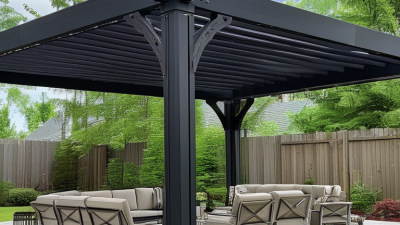
Choosing the right louver shading can transform your space. These systems control light, enhance privacy, and improve energy efficiency. With various styles available, it is crucial to understand your needs before making a decision.
Louver shading comes in different materials and designs. Each type has unique benefits and drawbacks. For instance, aluminum provides durability, while wood offers warmth. Consider the climate in your area too. Will you need extra insulation, or is ventilation a priority?
The right choice can be overwhelming. Take time to evaluate your options. Ask questions and seek advice. Consulting with experts can provide valuable insights. Remember, louver shading is not just a functional choice; it also impacts your home's aesthetics. Reflect on what will truly serve your lifestyle best.
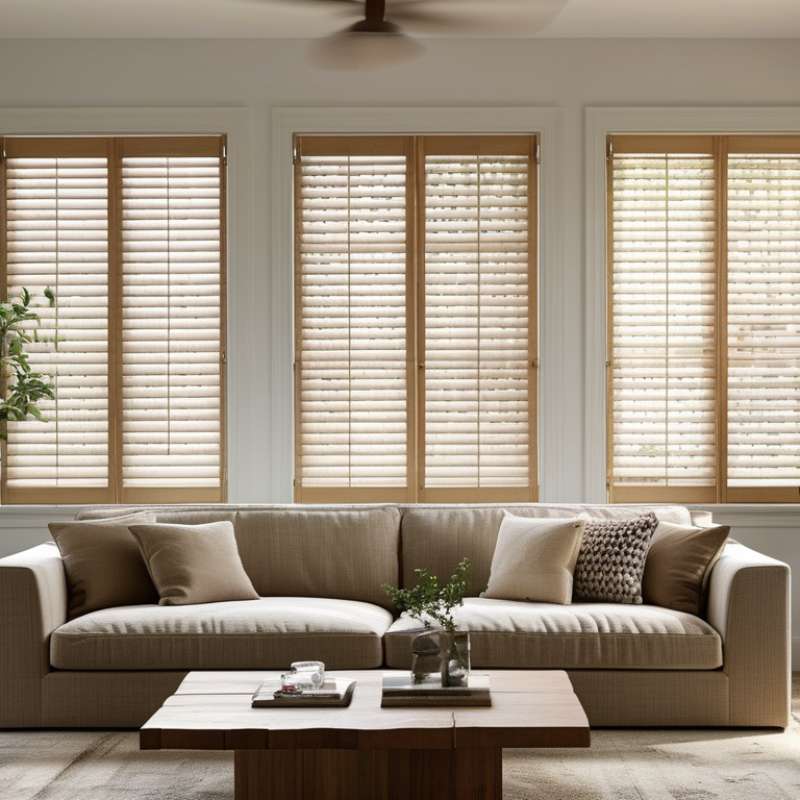
When selecting louver shading, it's essential to understand the different types available. Each type offers unique benefits and challenges. For instance, fixed louvers provide consistent shade but limit airflow. On the other hand, adjustable louvers allow for flexibility in light control but may require regular maintenance.
Consider your location when choosing louver shading. If you live in a windy area, look for sturdy materials that can withstand harsh conditions. If you prioritize aesthetics, decorative louvers can enhance your building's outer appearance. However, remember that appealing designs might not always optimize functionality.
Tips for making a wise choice: measure your windows carefully to ensure a good fit. Look for materials that offer durability and resistance to weather. Don’t overlook energy efficiency; it can significantly impact your energy bills. Reflect on your needs and preferences, as the best solution varies based on individual circumstances.
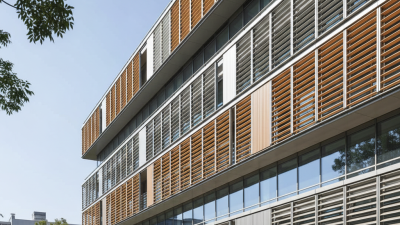
When evaluating your space for louver shading, several factors come into play. The direction of sunlight hitting your space is crucial. For instance, south-facing rooms require more effective shading to block excessive heat and light. Understand how the sun's path changes throughout the seasons. This can affect room temperature and comfort levels.
Consider the architectural style of your home. Your louver shading should complement the overall aesthetic. Think about materials, colors, and how they interact with existing design elements. Practicality matters too. Will the shading be easy to operate? Can it withstand your local weather conditions? Keep in mind that maintenance can be a hassle if materials are not chosen wisely.
Don’t overlook the function of the space. A room meant for relaxation might benefit from softer, adjustable shading. On the other hand, workspaces may require something more functional and direct. Personal preferences play a role as well. Reflect on how much natural light you enjoy daily versus the need for privacy. This balance can guide your choice effectively.
When selecting louver shading solutions, understanding solar angles is crucial. These angles vary throughout the year. They affect how sunlight interacts with your space. By knowing the sun's path, you can choose the right louver type to control light and heat.
Different seasons bring different solar angles. In summer, the sun is higher in the sky, so wider louvers may be needed. In winter, the sun sits lower, allowing for more light. You might find that fixed louvers work well for summer, while adjustable ones provide flexibility in winter. Assessing your specific location is also important. Shadows from nearby structures can impact sunlight exposure.
Consider how louver orientation can influence energy efficiency. Properly angled louvers block excessive heat while allowing natural light. However, materials and maintenance also play roles in performance. Cheap materials may warp or fade over time. Investing in durable options might be more economical long-term. Reflect on your choices to find solutions that support both comfort and functionality.
| Louver Type | Ideal Solar Angle | Material | Benefits | Drawbacks |
|---|---|---|---|---|
| Horizontal Louvers | Low angles (0° - 30°) | Aluminum | Effective at blocking high sun, good ventilation | May not block low sun effectively |
| Vertical Louvers | High angles (30° - 90°) | Wood | Aesthetic appeal, good thermal insulation | Can obstruct views, may require maintenance |
| Adjustable Louvers | All angles (0° - 90°) | Plastic | Versatile, allows for customization of sunlight | Can be prone to mechanical failure |
| Fixed Louvers | Moderate angles (15° - 45°) | Steel | Robust, minimal maintenance | Not adjustable, limits flexibility |
When selecting louver shading, considering material durability is crucial. Metal louvers, often made from aluminum or steel, offer excellent strength. They are resistant to weather and corrosion, making them a long-lasting choice. However, metal can get hot in the sun, which might affect comfort levels.
On the other hand, wooden louvers create a classic look but require more maintenance to prevent rot and discoloration. They need regular sealing and staining to maintain their appearance. Without proper care, wood can warp or degrade over time. It’s essential to weigh aesthetics against maintenance needs carefully.
Tips: Always check local climate conditions. They affect the durability of materials. For instance, areas with heavy rains may favor aluminum. Consider how much time you can dedicate to maintenance. If low upkeep is a priority, metal is often the best choice. Balancing beauty and durability can lead to satisfying results. A thoughtful approach can prevent future regrets.
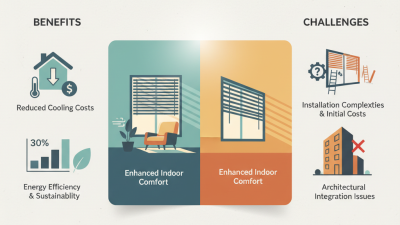
When selecting louver shading systems, energy efficiency is a critical factor. A well-chosen system can significantly reduce energy costs. Proper shading allows natural light to illuminate spaces. This means less reliance on artificial lighting during the day.
Louver designs influence how sunlight enters a space. They can be adjusted to block harsh afternoon sun while still letting in diffuse light. This creates a comfortable environment without overheating rooms. Additionally, they can reduce the usage of air conditioning. Cooler indoor temperatures can lead to lower electricity bills.
However, not all louver systems are created equal. Some might not provide adequate protection against extreme weather. It's important to consider your specific climate and building orientation. An ineffective system may lead to increased energy usage rather than savings. Always seek the expertise of professionals who can assess your needs accurately.