Top Retractable Roof Solutions for Your Outdoor Spaces?
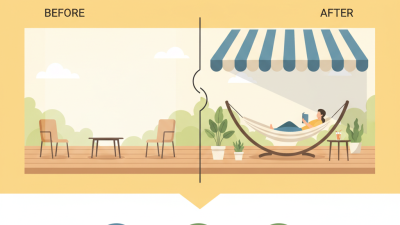
When it comes to enhancing outdoor spaces, the choice of structure can make a significant difference. A top retractable roof offers flexibility, allowing you to enjoy the sun or shield yourself from unexpected rain. It's an innovative solution that blends aesthetic appeal with practical functionality.
Retractable roofs have gained popularity for good reasons. They provide comfort while allowing homeowners to control their environment. Imagine hosting a vibrant summer gathering under a clear sky or relishing quiet moments outdoors, sheltered from the elements. Reliability and maintenance are essential factors for any outdoor installation.
Many options are available, from high-end models to budget-friendly choices. Each has its own set of features, helping users to select one that suits their needs. However, not all retractable roofs will fit seamlessly into every space. It’s important to weigh design, cost, and structure compatibility. Opt for solutions that promise durability and ease of use.
Types of Retractable Roof Systems for Various Outdoor Spaces
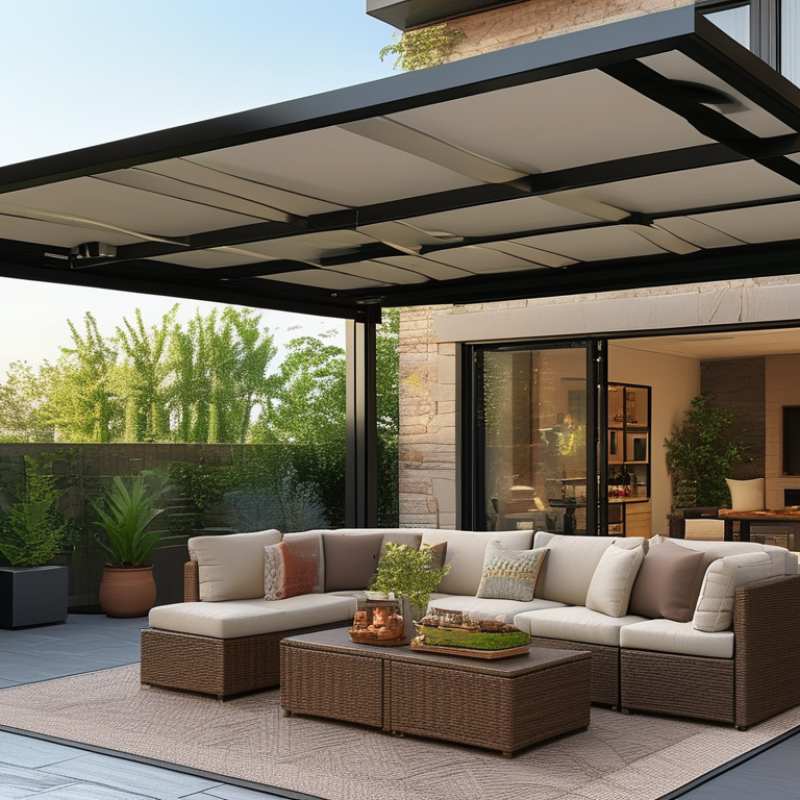
When considering retractable roof systems, it's crucial to understand the variety available. These roofs can transform any outdoor space into a versatile environment. For patios, a fabric retractable roof offers an elegant solution. It provides shade during the day and can easily retract when the sun is out. This flexibility allows homeowners to enjoy their patio in different weather conditions.
For commercial properties, a more robust solution might be necessary. Aluminum or metal systems provide durability and longevity. They are often used in restaurants and bars to create a seamless indoor-outdoor experience. These systems can be equipped with sensors to close automatically during rain, ensuring the comfort of patrons. However, they may require more maintenance over time due to their mechanical components.
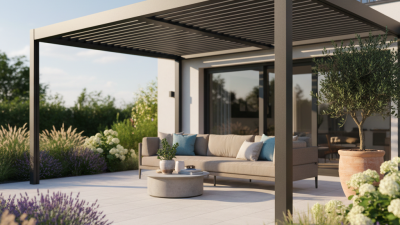
Garden areas benefit from lighter options, such as pergola-style retractable roofs. These can be outfitted with greenery, creating a unique atmosphere. Some designs allow for partial coverage, giving a blend of sun and shade. While they enhance the aesthetics of a space, the challenge lies in ensuring resilience against wind and rain. Each type of system presents unique advantages and considerations, making it essential to evaluate your specific needs before making a decision.
Benefits of Installing a Retractable Roof in Your Outdoor Area
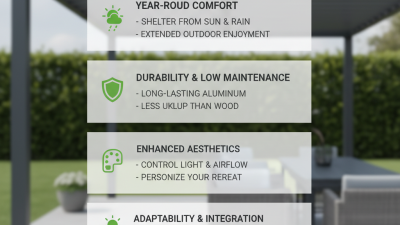
Retractable roofs have transformed outdoor spaces into versatile areas. They provide the ultimate solution for changing weather conditions. With a retractable roof, you can enjoy sunshine one moment and shelter from the rain the next. This flexibility enhances outdoor living experiences.
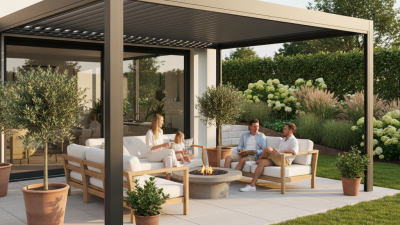
Installing a retractable roof also increases the usability of patios, decks, and pools. Imagine hosting a barbecue under the sun, then effortlessly closing the roof to create a cozy, dry space when it rains. This feature allows for more gatherings year-round. Additionally, a retractable roof can lower heating costs in winter.
Beyond practicality, aesthetics play a role. A well-designed retractable roof complements the overall look of your outdoor area. However, it's essential to consider the quality of the materials used. Not all roofs are created equal, which can affect lifespan and maintenance. Regular examination of the roof’s functionality is crucial for long-term enjoyment.
Key Features to Look for in Retractable Roof Solutions
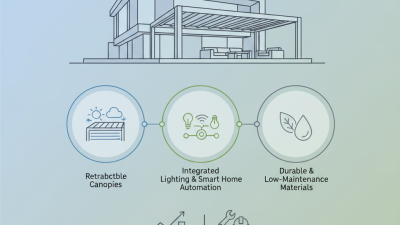
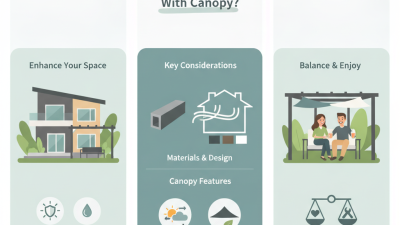
When considering retractable roof solutions, it’s essential to focus on key features that enhance functionality and aesthetics. One of the most significant aspects is the material quality. A durable fabric or robust frame guarantees longevity, protecting your outdoor space from the elements. Look for roofs that use weather-resistant materials. They should withstand sun, rain, and wind, ensuring safety and comfort.
Another crucial feature is the ease of operation. Automated systems can provide seamless access to open or close the roof with a simple button. Manual options should still be user-friendly, especially in larger spaces. Think about the installation process too. A solution that integrates well with your existing structures will save time and effort.
Finally, consider the design versatility. A retractable roof should complement the overall aesthetics of your outdoor space. Customizable options allow for a more personalized touch. Reflect on how the roof's appearance aligns with your vision. Balancing functionality with design can be challenging but is necessary for creating a welcoming outdoor environment.
Top Retractable Roof Solutions for Your Outdoor Spaces
| Feature |
Description |
| Material |
Durable and weather-resistant materials such as aluminum and high-grade fabric |
| Mechanism |
Smooth and efficient automatic or manual retractable mechanisms |
| UV Protection |
UV-resistant fabrics to protect against harmful rays |
| Wind Resistance |
Designed to withstand winds of different speeds for reliable usage |
| Maintenance |
Low maintenance requirements such as easy cleaning methods |
| Size Options |
Various customizable sizes to fit different outdoor spaces |
| Control System |
Remote control or smartphone integration for convenience |
| Aesthetic Appeal |
Sleek designs that enhance the look of outdoor environments |
Popular Materials Used in Retractable Roof Construction
Retractable roofs have gained immense popularity for enhancing outdoor spaces. When considering their construction, the choice of materials plays a significant role in functionality, aesthetics, and longevity. Common materials include aluminum, fabric, and polycarbonate. Each offers unique advantages and potential drawbacks.
Aluminum is often favored for its durability and resistance to corrosion. A report from the Global Aluminum Association indicates that lightweight aluminum constructions are highly efficient, with a reduced environmental impact. However, they can be more expensive compared to other materials. Fabric roofs provide flexibility and can be designed in various colors and patterns. They are generally more affordable but may require increased maintenance to prevent wear and tear. In fact, research shows that fabric roofs typically last between 5 to 15 years depending on maintenance quality.
Polycarbonate is another popular option. It offers excellent UV protection and thermal efficiency. Data from the Polycarbonate Manufacturers Association highlights that, when properly installed, polycarbonate can last up to 20 years. Nevertheless, its potential for cracking under stress or extreme temperatures is a concern that shouldn't be overlooked. When choosing a retractable roof, weighing these material options carefully is essential for optimal functionality and lifespan.
Top Retractable Roof Solutions for Your Outdoor Spaces
This chart illustrates the popularity of different materials used in retractable roof construction, showcasing the most commonly used materials based on recent surveys.
Maintenance Tips for Ensuring Longevity of Your Retractable Roof
Maintaining a retractable roof is crucial for its longevity and functionality. Regular cleaning is essential. Dust, leaves, and debris can accumulate and hinder operation. Use a soft brush or a damp cloth to remove build-up. Pay special attention to the tracks. These areas often get overlooked but are vital for smooth movement.
Inspect the fabric regularly. Look for tears or signs of wear. Early detection can save you from costly repairs. If you notice any issues, consider patching small holes. For larger damage, consulting a professional is recommended. They have the expertise to handle repairs correctly.
Lubricating moving parts is also important. Apply a silicone-based lubricant to the tracks and joints. This helps prevent rust and ensures easier operation. Weatherproofing the roof can further enhance its durability. During harsh weather, retracting the roof can protect it from damage. Each time you use your roof, take a moment to assess its condition. This habit will foster better maintenance and longevity.