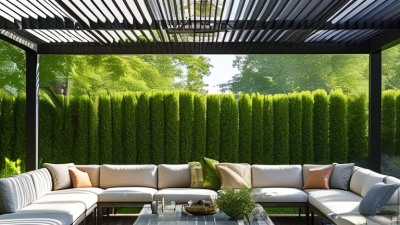
Why Choose a Modern Aluminum Pergola for Outdoor Spaces?
Choosing a Modern Aluminum Pergola can transform an ordinary patio into a practical outdoor room. It offers shade, structure, and a stronger connection with the garden. Unlike timber, aluminum resists rot, insects, and frequent repainting. Still, it is not completely maintenance-free. Dust gathers. Drainage channels need attention.
Paul Lafrance, a recognized outdoor-living designer, says, “Good design should make outdoor space feel like an extension of your home.” That idea explains the pergola’s growing appeal. A well-planned structure can frame a dining table, protect lounge furniture, and create a comfortable transition between indoors and outdoors. Adjustable louvers can manage sunlight during bright afternoons. Integrated lighting can make evening use safer and more inviting.
Material quality matters. Look for marine-grade aluminum, durable powder coating, concealed drainage, and tested wind-load performance. A reliable supplier should explain these specifications clearly. An experienced installer should also inspect the patio surface, wall connections, local weather, and water flow before installation. Small oversights can become expensive problems.
The best pergola is not always the largest one. It should match the building, furniture, and daily habits. A narrow terrace may need a compact frame, while a wide garden could support a freestanding design. Careful planning takes time.
That is sometimes inconvenient.
The initial price may exceed a basic wooden shelter, but long-term upkeep can be lower. However, cheaper aluminum systems may use thinner profiles or weaker hardware. Buyers should compare warranties, installation standards, and replacement-part availability. A Modern Aluminum Pergola becomes a worthwhile investment when appearance, performance, and honest planning work together.
What Is a Modern Aluminum Pergola?
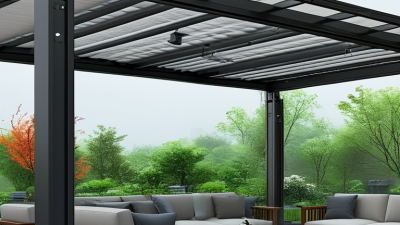
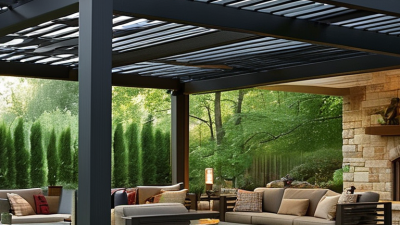
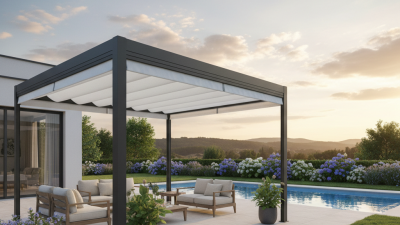
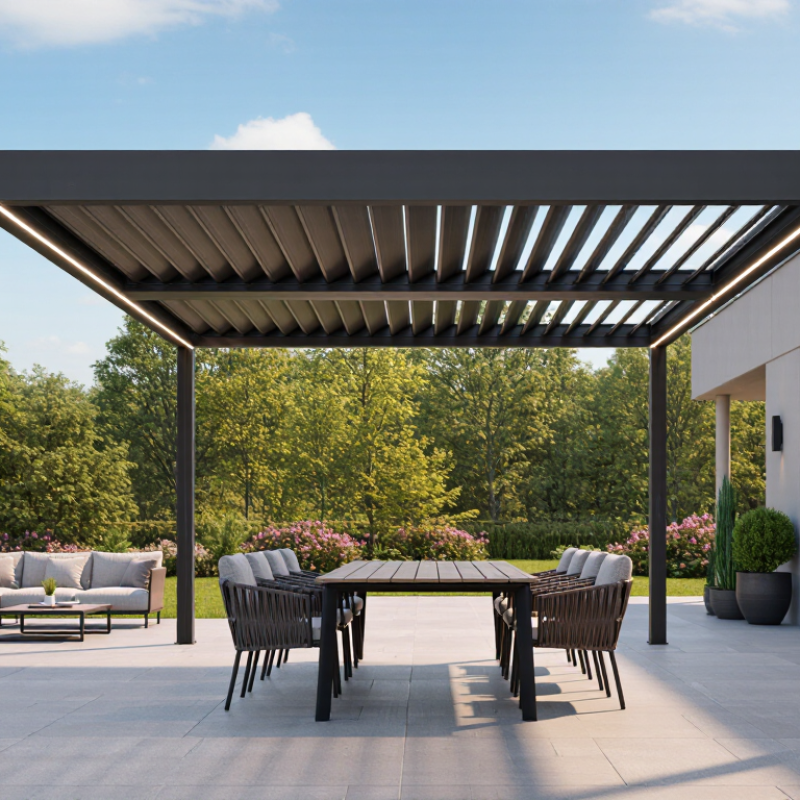
A modern aluminum pergola is an outdoor shade structure with a clean frame, adjustable louvers, and practical weather protection. Unlike traditional timber pergolas, it uses powder-coated aluminum for strength, lighter handling, and improved resistance to rust. Its roof may open for sunlight or close during light rain. Some designs include integrated gutters, LED lighting, screens, or motorized controls.
In real outdoor use, the value appears above a patio, dining area, or compact garden lounge. Aluminum does not need regular staining, and smooth surfaces are easy to wipe after dust or pollen settles. However, “low maintenance” does not mean maintenance-free. Hinges, drainage channels, and electrical parts still need inspection. I have found that poor water drainage can reduce comfort faster than faded furniture.
A reliable pergola should match the building’s proportions and local weather conditions. Check wind ratings, roof drainage, anchoring methods, and installation requirements before purchasing. Coastal locations may require more frequent cleaning because salt deposits can affect surface finishes. Professional installation also helps keep posts level and connections secure. A small design mistake can become obvious when rainwater collects beside a doorway. Its modern appearance is useful, but performance depends on careful planning.
How Aluminum Pergolas Are Designed and Constructed
A modern aluminum pergola begins with a clear structural plan, not decorative sketches. Designers measure the patio, drainage paths, wind exposure, and available anchoring points. Local building requirements also influence post spacing, beam depth, and connection details. Aluminum Association sustainability data reports that recycling aluminum requires about 95% less energy than producing primary aluminum. That advantage matters when material selection includes its future life.
Construction usually starts with corrosion-resistant extrusions, cut to measured lengths.
Fabricators inspect each profile for straightness before assembling the frame. Posts are anchored to concrete with engineered plates, while beams receive concealed or visible fasteners. Stainless steel hardware helps reduce galvanic corrosion between dissimilar metals. ASTM B221 provides relevant requirements for aluminum-alloy extruded bars, tubes, and profiles. Details matter. A beautiful frame can still fail when water collects around its footings.
Adjustable louvers need balanced weight, accurate pivots, and protected operating components.
Installers check movement repeatedly before sealing joints or adding lighting. The U.S. Department of Energy notes that exterior shading can reduce solar heat gain through windows, although performance depends strongly on orientation and ventilation. Designers should avoid promising dramatic cooling everywhere. It is not perfect. Coastal air, neglected drainage, and careless drilling can shorten service life. Practical inspections remain essential after strong storms and seasonal temperature changes.
Key Benefits for Outdoor Living Spaces
Why Choose a Modern Aluminum Pergola for Outdoor Spaces?
A modern aluminum pergola can make an outdoor area more usable throughout the year. It creates shade above dining tables, seating areas, and outdoor kitchens. On bright afternoons, adjustable louvers can reduce glare and surface heat. Shade feels different. The space becomes calmer.
Aluminum also offers practical durability for outdoor living. A properly finished frame resists rust, insects, and frequent moisture better than many traditional materials. This matters near pools, coastal areas, and gardens with regular irrigation. Its lighter weight can simplify installation, but structural planning remains essential. A qualified installer should check wind exposure, anchoring, drainage, and the supporting surface before work begins. These details matter.
From experience, the most comfortable pergolas balance protection with airflow. Fully closing every louver may block rain, but it can also trap heat on warm days. Integrated lighting can improve evening use, especially when positioned over steps and food-preparation areas. However, excessive lighting may disturb the atmosphere. I have seen homeowners focus on appearance and overlook water runoff. That mistake can leave puddles near doors or furniture. A simple gutter plan and regular cleaning often prevent larger maintenance problems. Even aluminum needs care. Check fasteners, clear debris, and inspect moving parts each season. Personally, I would measure the furniture layout first, because a beautiful pergola can still feel cramped when the table, chairs, and walking paths are poorly arranged.
Customization, Placement, and Climate Considerations
A modern aluminum pergola can make an outdoor area feel designed rather than simply covered. Its value depends on thoughtful customization. Adjustable louvers can manage sunlight, while integrated drainage channels guide rainwater away from seating. Choose dimensions that match the patio, not just the available product size. A narrow structure may suit a balcony, while a deeper frame can shelter an outdoor dining table. Built-in lighting also improves evening use, but excessive fixtures can make the ceiling feel visually crowded.
Placement deserves careful observation. Track the sun across the space during morning and afternoon hours. A pergola beside west-facing doors may need stronger shade control during late summer. Keep enough clearance for doors, windows, grills, and maintenance access. Check the ground before installation. Concrete footings usually offer better stability than a surface-mounted frame on uneven pavers. Wind exposure matters too, especially beside open fields or tall buildings. Small planning mistakes become obvious later.
Climate should guide the aluminum finish and structural details. In coastal areas, salt can accelerate corrosion around fasteners, so corrosion-resistant hardware and regular rinsing are sensible. Snowy regions require an engineered load assessment, not a guess based on appearance. Hot climates benefit from ventilated louvers and lighter finishes, though darker colors can create more heat. Freeze-thaw cycles may shift poorly prepared foundations. I once underestimated afternoon glare in a shaded-looking courtyard; the seating still needed adjustable screening. That oversight was minor, but useful. Local building requirements and professional installation should be checked before work begins.
Why Choose a Modern Aluminum Pergola for Outdoor Spaces?
Customization, placement, and climate considerations based on representative long-term climate data.
Customization
Adjust louver angle, roof coverage, lighting, screens, and drainage to match the intended use of the space.
Placement
Use sun direction, nearby walls, prevailing wind, and required clearance to position the pergola comfortably and safely.
Climate
Aluminum is a practical choice for outdoor structures because it does not rot and can be specified with corrosion-resistant finishes.
Climate figures are rounded representative long-term averages: NOAA climate normals for Phoenix and Miami, and UK Met Office climate averages for London.
Maintenance, Longevity, and Overall Value
Why Choose a Modern Aluminum Pergola for Outdoor Spaces?
A modern aluminum pergola suits patios exposed to sun, rain, and coastal air. Unlike untreated timber, aluminum does not rot, attract termites, or need seasonal staining. That difference matters during real maintenance. A quick rinse removes dust, pollen, and bird residue. Still, aluminum is not maintenance-free. Salt deposits, trapped leaves, and damaged finishes can cause problems over time.
Choose powder-coated finishes tested under recognized AAMA performance standards, such as AAMA 2604 or 2605. These standards address color retention, chalking, and coating durability. They cannot guarantee perfect results in every climate. The International Aluminium Institute reports that recycling aluminum uses roughly 5% of the energy needed for primary aluminum production. That supports long-term material value when the structure remains useful for decades. Installation remains the weak link. Poor drainage, loose fasteners, or undersized posts can reduce service life. Good material needs good detailing.
Tips: Inspect joints twice yearly. Clear leaves from channels. Wash coastal installations more often. Ask for coating test documents, drainage details, and replacement-part availability. Compare total ownership costs, not only the purchase price. A cheaper frame may require repainting or earlier replacement. Check local wind and snow requirements before installation. Claims can sound reassuring. Site conditions are less forgiving.